

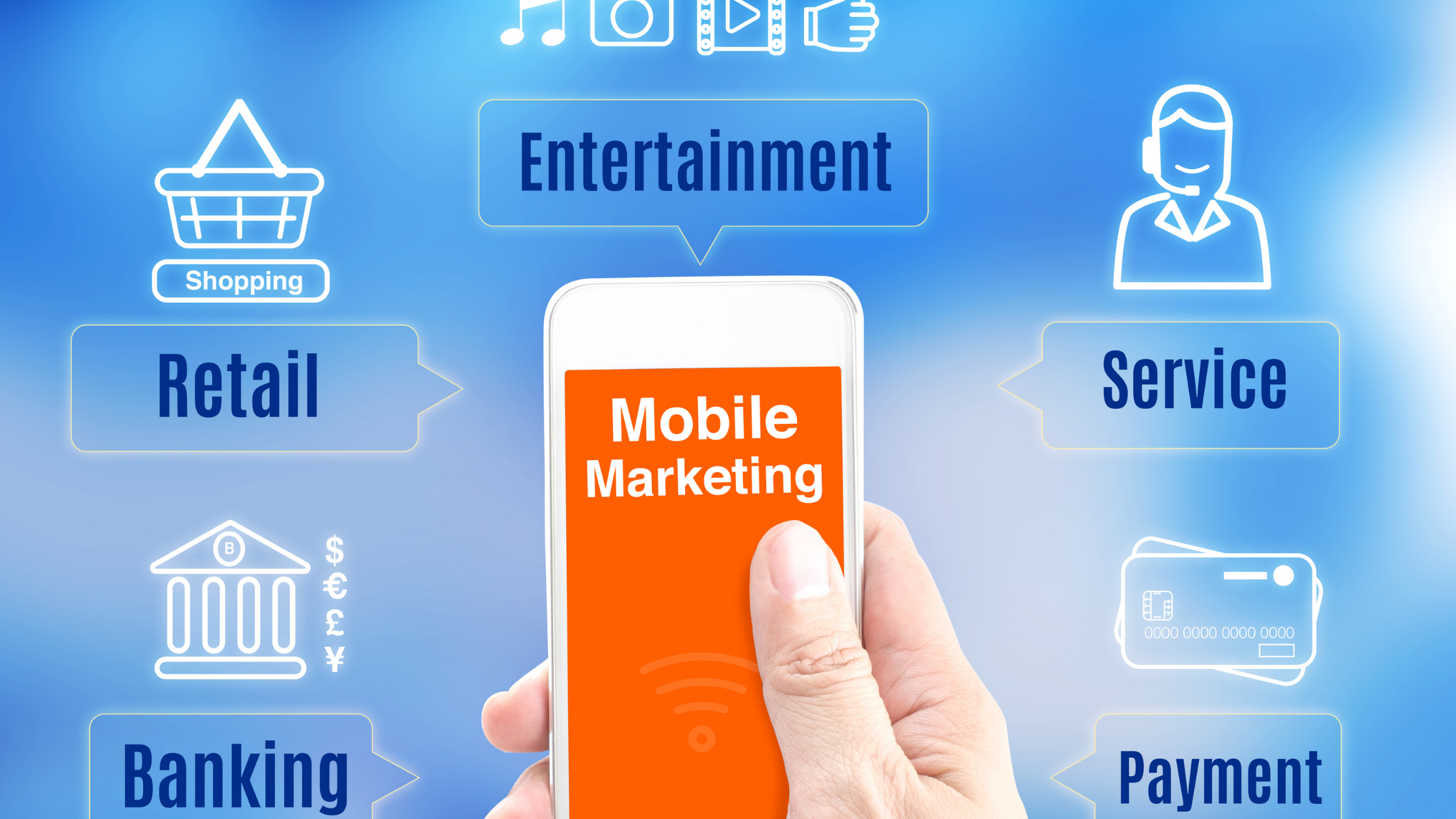
Marketing has changed dramatically over the last decades. Traditional marketing channels like TV, radio or print media have been less frequently used by new generations which meant marketers needed to search for the appropriate way to reach them. It meant realizing from businesses that new generations use mobile phones and tables instead of TV or other traditional marketing channels. So, once the businesses were aware of it, marketers needed to do their best to adapt their marketing strategies to those devices. Now, more businesses use mobile phones and tablets as a marketing tool over traditional marketing channels.
There are advantages of using mobile phones and tablets as marketing tools over traditional marketing channels. After all, there are over 3.5 billion individual mobile Internet users (Moats, 2015). And, 1.3 tablet users worldwide (“Number of Tablet Users Worldwide,” 2019).
Mobile phones enable reaching a broader market since they are less expensive to purchase than a PC or laptop, and they are portable. So, your potential customers are always connected. They are easy to work with. You can notice that on a mobile platform, everything is simpler than on a desktop computer, so people can download coupons on their phones when needed. Then, mobile phones are convenient to use since they have a small size, the content created for mobile phones needs to be simple but interesting enough to capture the target audience’s attention. Another thing to mention is that you can track the people’s response since they have unique ID’s. Then, mobile phones help to share content that easily can become viral. Also, people can make payments easily via mobile. In relation to tablets, the lightweight form factor makes them a favorite too. In the same way as the mobile phones, they are easy to carry everywhere. The portability factor is great. Tablets start-up almost instantaneously. Tablets are just easy to manage.
Mobile Marketing increases product sales and awareness. Mobile Apps are the key to the sales strategy. The potential of mobile applications lies in the range of interaction possibilities offered to the user. Most of the time that we use a smartphone, we do it through Apps.
Mobile marketing campaigns lead to the point of sale. There are more people that own a mobile phone than a PC or laptop. Also, since it is convenient to carry a mobile, people can be aware of a marketing campaign when they check their favorite brand mobile website or surf their social media. When a campaign is done well, the customer makes a decision to purchase.
Marketing strategies are to have a mobile website compatible with Android and iPhone. Another strategy is to create Apps for each of these platforms. The Apps can include a QR reader function that customers can use to connect to links on the product packaging. Similarly, other marketing strategies are to send SMS and use a geo-location service. With SMS messaging, you can send notifications of sales and other promotions to existing customers. By using a geo-location service, you can generate location-based ads that can send out targeted messages to specific members of your audience (Rampton, 2015).
References
Moats, Sherry (2015). Advantages and Disadvantages of Mobile Marketing. Retrieved from: https://www.thebrandonagency.com/blog/advantages-and-disadvantages-of-mobile-marketing/
Number of Tablet Users Worldwide from 2013 to 2021 in Billions (2019). Statista. Retrieved from: https://www.statista.com/statistics/377977/tablet-users-worldwide-forecast/
Rampton, John (2015). 7 Mobile Strategies Your Business Needs to Implement. Forbes. Retrieved from: https://www.forbes.com/sites/johnrampton/2015/04/04/7-mobile-strategies-your-business-needs-to-implement/#10b430b21795
The Benefits of Mobile Marketing Over Traditional Advertising (2013). Retrieved from: https://www.callfire.com/blog/2013/10/15/the-benefits-of-mobile-marketing-over-traditional-advertising
 EK Marketing Blog by Ericka Koehler